
• About
  • Contact

Innereset

~ Blow your mind, open your heart.

Innereset

Monthly Archives: December 2024

COEX Systems from an Attachment Standpoint

08 Sunday Dec 2024

Posted by Susan Guner in Inner Journey

≈ Leave a comment

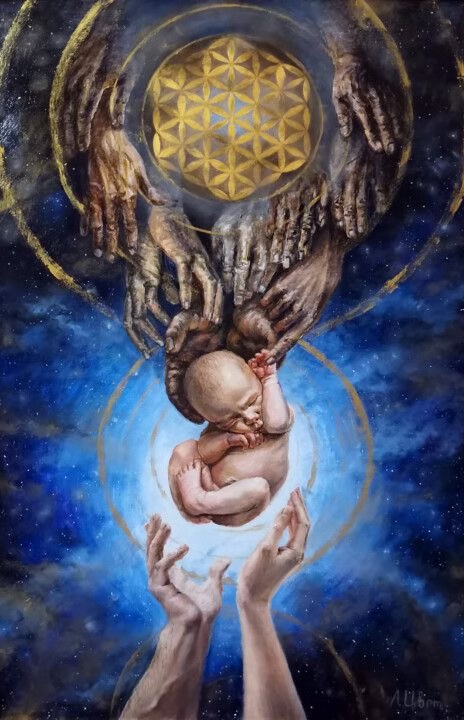
Art by Anastasiia Tsvetkova

Hypothesis: COEX Systems and Breaking the Compromised Template

The concept of COEX systems—short for “systems of condensed experience” (as coined by Stanislav Grof)—can be applied to understand how attachment injuries in both males and females create layers of experiential patterns that repeat across their lives. These COEX systems, formed by unresolved emotional and relational experiences in early development, govern behaviors, perceptions, and relational dynamics until the individual consciously works to break the compromised template.

Below is a hypothesis for how these COEX systems manifest and perpetuate in males and females distinctly from an attachment standpoint and how breaking these systems facilitates the individuation process.

The Formation of COEX Systems

For Females: The Matrical Void COEX System

• Core Experience: The absence of the “matrical gaze” creates a deep sense of disconnection from the self. This unmet need for unconditional validation forms the core emotional wound, or the first layer of the COEX system.

• Condensed Layers: Over time, subsequent experiences—such as rejection by peers, competition with other women, or invalidation in relationships—reinforce this core wound. These layers echo the original void, perpetuating patterns of mistrust and compromised self-worth.

• Repetition Mechanism: The COEX system drives behaviors and relational patterns where the INDIVIDUAL UNCONSCIOUSLY SEEKS TO RECREATE THE ORIGINAL WOUND, either by engaging in toxic relationships, mistrusting other women, or overcompensating through control and perfectionism.

For Males: The Enmeshed COEX System

• Core Experience: Early enmeshment with a maternal figure creates an unresolved attachment-conflict COEX. The male child is psychologically recruited to meet the mother’s unmet needs, resulting in a fractured sense of autonomy.

• Condensed Layers: Later experiences, such as relationships with demanding or emotionally unavailable partners, reinforce this dynamic. The male oscillates between the need for merging (seeking approval) and the desire for separation (fleeing perceived control), creating a cycle of inner conflict.

• Repetition Mechanism: This COEX system repeats in patterns of codependency, failed boundaries, and relational dysfunction. The male either externalizes his attachment injury (becoming domineering) or internalizes it (falling into self-destructive patterns).

How COEX Systems Perpetuate:

• Projection: Individuals project unresolved wounds onto relationships, recreating the dynamics of early attachment injuries.

• Reinforcement: Each failed relational or emotional pattern reinforces the original wound, deepening the layers of the COEX system.

• Avoidance of Discomfort: The individual unconsciously avoids the core pain of their template by externalizing blame or falling into familiar, albeit toxic, patterns.

Both male and female COEX systems create self-reinforcing cycles of relational dysfunction, emotional pain, and stunted individuation until a conscious effort is made to address and resolve the root experiences.

Breaking the COEX System: Individuation and Liberation

For Females: The Matrical Void

• Awareness of the Core Wound: The first step is recognizing the absence of the matricral gaze and how it manifests in toxic relational patterns.

• Facing the Void: This involves confronting the inner world – fear of abandonment, self-doubt, self-sabotage, control, manipulation, and the longing for validation.

• Integrating Fragmented Sense of Self: By reclaiming self-worth and developing deep connection and empathy for oneself, cultivating capacity to shift competition to collaboration and authenticity.

• Individuation Outcome: The female moves beyond her COEX system into a state of self-agency, where she can form healthy relationships, embrace her gifts, and trust her own inner compass.

For Males: Breaking the Enmeshment

• Awareness of Enmeshment: THE MALE MUST RECOGNIZE HIS “MOTHER CONTRACT” in the maternal dynamic and how this role has shaped his relationships and sense of self.

• Deliberate Separation: This involves symbolically and emotionally separating from the maternal shadow, breaking free from codependent patterns – involves rites or passages and ritualized separation processes.

• Integration of Masculine Autonomy: The male learns to balance his desire for merging with his need for independence. This involves cultivating emotional regulation, healthy boundaries, and a sense of self beyond relational dynamics.

• Individuation Outcome: The male emerges as an integrated individual, no longer torn between attachment and autonomy. He gains the freedom to form authentic relationships and live from a place of inner sovereignty.

When COEX Systems Interact: Toxic Relational Patterns

When unresolved COEX systems in males and females interact, they can create toxic relational entanglements.

• Female Matrical Void + Immasculated Male: The female’s mistrust and need for validation may trigger the male’s desire for merging or his tendency to dominate, perpetuating cycles of codependency or conflict.

• Externalized vs. Internalized Patterns: Type A males (externally destructive) may exploit the female’s wounds, reinforcing her mistrust. Type B males (internally destructive) may mirror her sense of inadequacy, deepening her relational despair.

Breaking these patterns requires both individuals to confront their COEX systems, enabling healthier dynamics rooted in mutual respect and self-awareness.

Toward a Collective Liberation

COEX systems do not just operate on an individual level; they also underpin societal structures, such as toxic patriarchy and wounded sisterhood dynamics.

Healing these systems requires individual and community-level work, creating spaces for both men and women to confront their core wounds, separate from their inherited templates, and rebuild healthier patterns – restoring balance within individuals and society by integrating both the nurturing feminine and the autonomous masculine energies.

Conclusion: Compromised template often perpetuate extremes—either clinging to or avoiding others. Healing involves integrating these polarities, allowing for authentic and secure relationships. Until individuals break free from their COEX systems (interwoven with early attachment ruptures reflecting fragmented and conflicting experiences—profound longing for connection coexisting with terror of vulnerability they remain trapped in the repetition of compromised templates, unable to fully individuate.

From an attachment standpoint, Coex systems encapsulate the emotional and relational imprints of early life, shaping how individuals relate to themselves and others. By addressing these systems through therapeutic processes within a healthy relational container allows for corrective emotional experiences and potentially transform entrenched attachment patterns and foster relational and self-awareness.

Invitation for Dialogue:

This is a work-in-progress hypothesis, one that will continue to evolve and expand over time. My hope is to inspire an open-minded discussions on transformative power of breaking old patterns.

Drop your thoughts, feedback, or questions in the comments. Let’s hold this space together and explore these ideas with curiosity, compassion, and the courage to reimagine what healing might look like.

Love and Courage

Dark Feminine Rising: A Physical Soldier That Will Serve Her for the Rest of Her Life

04 Wednesday Dec 2024

Posted by Susan Guner in Inner Journey

≈ Leave a comment

Tags

#traumainformed, attachementwound, darkfeminine, existensialmother, genderdynamics, hypothesis, individuation, mothercontract, psychedelictheraphy, toxicmaculinity

The Impact of Attachment Injury in Males: Mother Contract – A Hypothesis in Progress

Art by Unknown

Attachment injury in males can often originate in the dynamic with a wounded or disconnected maternal figure. When the “matrical gaze” is absent, inconsistent, or tainted by the mother’s unresolved trauma, the male child becomes unconsciously enlisted as a soldier to serve the “dark feminine.” This archetype of the “dark feminine” arises from the mother’s unmet needs, resentment, betrayal, and unprocessed pain.

The male child is psychically burdened with the task of compensating for her emotional deficits, becoming an extension of her unmet desires rather than an autonomous being. This forms the psychological foundation for servitude to the maternal shadow, wherein the male is trapped in a lifelong struggle to meet the insatiable needs of the internalized maternal figure – toxic web of the Black Widow Spider, metaphorically speaking.

This role is not chosen but imposed, shaping the boy’s psyche to prioritize the mother’s emotional world at the cost of his own. The result is a loss of personal identity and boundaries, with the male internalizing his worth as conditional upon fulfilling the unspoken demands of the dark feminine within.

Compromised Neurobiological Processes In Utero in the Male Fetus

Research suggests that male fetuses are more vulnerable to environmental stressors in utero, particularly during critical periods of neurodevelopment. When the maternal environment is characterized by stress, trauma, or emotional instability, it can disrupt the male fetus’s developing neurobiological systems, including the hypothalamic-pituitary-adrenal (HPA) axis and the brain regions responsible for emotional regulation and attachment.

This disruption can leave male infants predisposed to:
• Heightened stress reactivity, making them more sensitive to emotional and relational stress.
• Underdeveloped emotional regulation, leading to difficulty processing and expressing emotions.
• Attachment insecurity, creating a foundation for enmeshment and codependency in later life.

This compromised neurobiological foundation predisposes the male child to reactive patterns in relationships and difficulty establishing a secure sense of self.

Males Struggling With Enmeshment: The Infernal Conflict Between Separation and Merging

As these males grow, the early attachment injury manifests as an unbearable inner conflict:
• The need for separation drives them to assert independence and autonomy.
• The desire for merging draws them back to the womb-like safety they experienced (or longed for) in their earliest moments.

This conflict is exacerbated by the codependent dynamic established in childhood. The boy becomes psychologically tethered to the mother’s unresolved needs, creating enmeshment that blurs the boundaries between self and other.

When life becomes unbearable for the codependent male—when the demands of independence feel overwhelming and the longing for the womb’s safety intensifies—he may regress into behaviors that attempt to resolve this conflict. These behaviors include:
• Subconscious attempts to recreate the womb in relationships, leading to dependency, control, or escapism.
• A pervasive sense of inadequacy and fear of abandonment, often masked by overcompensation or withdrawal.

Two Types of Male: Externally Destructive vs. Internally Destructive

This developmental injury often results in two distinct archetypes of maladaptive male behavior:

Type A: The Externally Destructive Toxic Male

• These men externalize their unresolved conflict through aggression, control, and dominance.
• They seek to overpower others to compensate for their inner vulnerability and unmet needs.
• Traits: toxic masculinity, violent tendencies, hyper-competitiveness, and an inability to engage in emotional intimacy.

Type B: The Internally Destructive Male

• These men turn their pain inward, struggling with self-loathing, withdrawal, and self-sabotage – internal violence.
• They experience chronic feelings of inadequacy and may engage in behaviors that reinforce their sense of worthlessness.
• Traits: depression, addiction, passivity, and a profound fear of confrontation or independence.

Both types represent attempts to cope with the same underlying psychological injury: a fractured attachment template and the unresolved need for both connection and autonomy.

Leading to Toxic Patriarchy

When these unresolved attachment injuries become systemic, they form the foundation of toxic patriarchy. Both archetypes of wounded males play a role in perpetuating this system:
• Type A males, driven by external domination, create hierarchical structures rooted in power, control, and suppression.
• Type B males, consumed by internal chaos, fail to challenge these systems, instead retreating into passivity or codependency.

Toxic patriarchy becomes a societal manifestation of the wounded masculine, where emotional disconnection, fear of vulnerability, and the need for dominance override collaboration, empathy, and balance. It reflects the collective failure to address and heal the attachment injuries that perpetuate cycles of harm, both at the personal and societal levels.

A Path Forward: Breaking the Cycle

To break this cycle, there must be a conscious effort to address the root causes of male attachment injury:
• Creating spaces for men to confront their internalized enmeshment and unmet needs without judgment.
• Developing tools to support emotional regulation, secure attachment, and individuation.
• Encouraging the integration of the wounded feminine and masculine within, restoring balance and empathy.

This presentation attempts to unravel the “existential crisis” drawing from the unconventional view of the “existential mother” principle that may offer a new perspective on the historical conflict in men and women over power dynamics leading to rise of the patriarchy and radical feminism in defence of women’s equality in modern times.

Within our current affairs, we now have countless forms of activism against patriarchy and criticism of women – countless forms of content and methodologies analysing archetypology of masculine and feminine.

Equally, new age spirituality trends attempt to address our ancient conflict by immersing in men’s work or sisterhood circles, yet, there’s an enormous elephant in the room – that elephant is the phenomenon of the “Existential Mother” as the fundamental principle in human life, at the center of birth, death, and the formation of the human blueprint.

By recognizing and addressing these attachment wounds, both men and women can work toward dismantling the foundations of toxic patriarchy and building systems rooted in equality, emotional wholeness, and authentic connection.

“The first thing we must understand in life is our mother – understanding our mother is the first step to understanding ourselves.”

Invitation for Dialogue:

This is a work-in-progress hypothesis, one that will continue to evolve and expand over time. My hope is to inspire an open-minded discussion about the nature of attachment, and the transformative power of breaking old patterns.

Drop your thoughts, feedback, or questions in the comments. Let’s hold this space together and explore these ideas with curiosity, compassion, and the courage to reimagine what healing might look like.

Love and Courage

The Impact of the “Matrical Gaze” on Female Development: A Hypothesis in Progress

01 Sunday Dec 2024

Posted by Susan Guner in Inner Journey

≈ Leave a comment

Art by Unknown

When women lack the “matrical gaze”, they are deprived of a critical foundation for developing a healthy sense of self, safety, and security within themselves. This absence deeply impacts their self-worth, personal values, and self-acceptance, compromising the essential fundamentals required for healthy development and individuation.

But what is the “matrical gaze”? At its core, the term refers to the attuned, nurturing, and mirroring presence of a caregiver—often associated with the mother or maternal figure—who provides unconditional acknowledgment of the child’s existence, emotions, and needs. This gaze is not just physical but deeply psychological: it communicates, “I see you, and you are worthy of love just as you are.” It is the foundation for secure attachment, enabling the individual to internalize a sense of being seen, valued, and safe. When this gaze is absent, inconsistent, or distorted, the child is left in a void of unmet emotional needs, struggling to develop a cohesive and resilient sense of self.

The Consequences of a Lost Matrical Gaze:

When women grow up without this vital grounding, the lack can manifest in their interpersonal relationships in ways that reflect the inner fracture. Passive aggression, deep resentment, mistrust of other females, rivalry, competition, gossip, pretense, envy—these behaviors are all echoes of the unresolved pain of not being fully “seen” or acknowledged in their formative years.

At its most extreme, this lack can lead to active harm: tyrannical behavior, defiance, and overt aggression. It creates a split in the psyche, a profound inner conflict between the biological need for attachment and the equally powerful need for separation—both of which are essential for healthy psychological development. This unresolved tension leaves women struggling with empathy, not only for others but, more crucially, for themselves. Without self-empathy, the cycle of relational dysfunction and internal disconnection perpetuates.

Breaking the Cycle: Addressing Generational Attachment Wounds:

How do we work with and resolve such a deep attachment wound in females—one that continues to give birth to and pass down the same compromised template through generations? This is a critical question for psychoanalysis, trauma-informed therapy, and collective healing.

One emerging insight from the psychoactive induced psychoanalytic process suggests that contained and well-managed psychosis may hold the key. While this might seem controversial or even taboo in society, given the historical trauma associated with unmanaged psychosis and its potential for suffering, there is a radical opportunity here: what if we approached such episodes as an invitation?

Rather than viewing psychosis as a breakdown to be feared or suppressed, it can be reframed as a crack in the compromised template, a doorway into profound transformation. In this context, psychosis might represent a delayed “psychological separation,” a painful but necessary step toward individuation, liberation, and freedom—ultimately restoring self-agency.

The “Reset” Hypothesis:

What if we developed tools, understanding, and supportive environments to guide individuals through this reset? Such an approach could allow women and men, respectively to confront and heal the attachment wounds and relational fractures inherited from their maternal lineages. It could offer a way to disrupt the cycles of compromised templates passed down through generations.

The process would not be easy. It would require capacity, courage, compassion and competence—a willingness to step into the unknown, both as individuals and as a society. But the potential rewards—a restored sense of self, deep empathy, and the capacity to form healthier relationships—are profound.

Invitation for Dialogue:

This is a work-in-progress hypothesis, one that will continue to evolve and expand over time. My hope is to inspire an open-minded discussion about the nature of attachment, psychosis, and the transformative power of breaking old patterns.

Drop your thoughts, feedback, or questions in the comments. Let’s hold this space together and explore these ideas with curiosity, compassion, and the courage to reimagine what healing might look like.

Love and Courage

#metamorphosis #traumainformed #individuation #healing #psychosis #breakingopen #hypothesis #psychedelictheraphy #reset #todaysvibe #existentialmother #attachmentwound #toxicfemininity

Follow Us

  • LinkedIn
  • Facebook
  • X
  • Instagram
  • YouTube
Follow Innereset on WordPress.com

Recent Posts

  • COEX Systems from an Attachment Standpoint
  • Dark Feminine Rising: A Physical Soldier That Will Serve Her for the Rest of Her Life
  • The Impact of the “Matrical Gaze” on Female Development: A Hypothesis in Progress
  • Dark Feminine
  • God is a Borderline Patient

Archives

  • December 2024
  • June 2024
  • August 2023
  • December 2022
  • August 2022
  • January 2022
  • November 2021
  • September 2021
  • July 2021
  • June 2021
  • April 2021
  • February 2021
  • December 2020
  • November 2020
  • September 2020
  • August 2020
  • July 2020
  • June 2020
  • May 2020
  • April 2020
  • March 2020
  • February 2020
  • January 2020
  • December 2019
  • November 2019
  • October 2019
  • September 2019
  • August 2019
  • July 2019
  • May 2019
  • April 2019
  • March 2019
  • February 2019
  • June 2017
  • May 2017
  • April 2017

Categories

  • Inner Journey

Meta

  • Create account
  • Log in
  • Entries feed
  • Comments feed
  • WordPress.com

Blog at WordPress.com.

  • Subscribe Subscribed
    • Innereset
    • Already have a WordPress.com account? Log in now.
    • Innereset
    • Subscribe Subscribed
    • Sign up
    • Log in
    • Report this content
    • View site in Reader
    • Manage subscriptions
    • Collapse this bar
 

Loading Comments...
 

    Privacy & Cookies: This site uses cookies. By continuing to use this website, you agree to their use.
    To find out more, including how to control cookies, see here: Cookie Policy