
Tags
#traumainformed, attachementwound, darkfeminine, existensialmother, genderdynamics, hypothesis, individuation, mothercontract, psychedelictheraphy, toxicmaculinity
The Impact of Attachment Injury in Males: Mother Contract – A Hypothesis in Progress
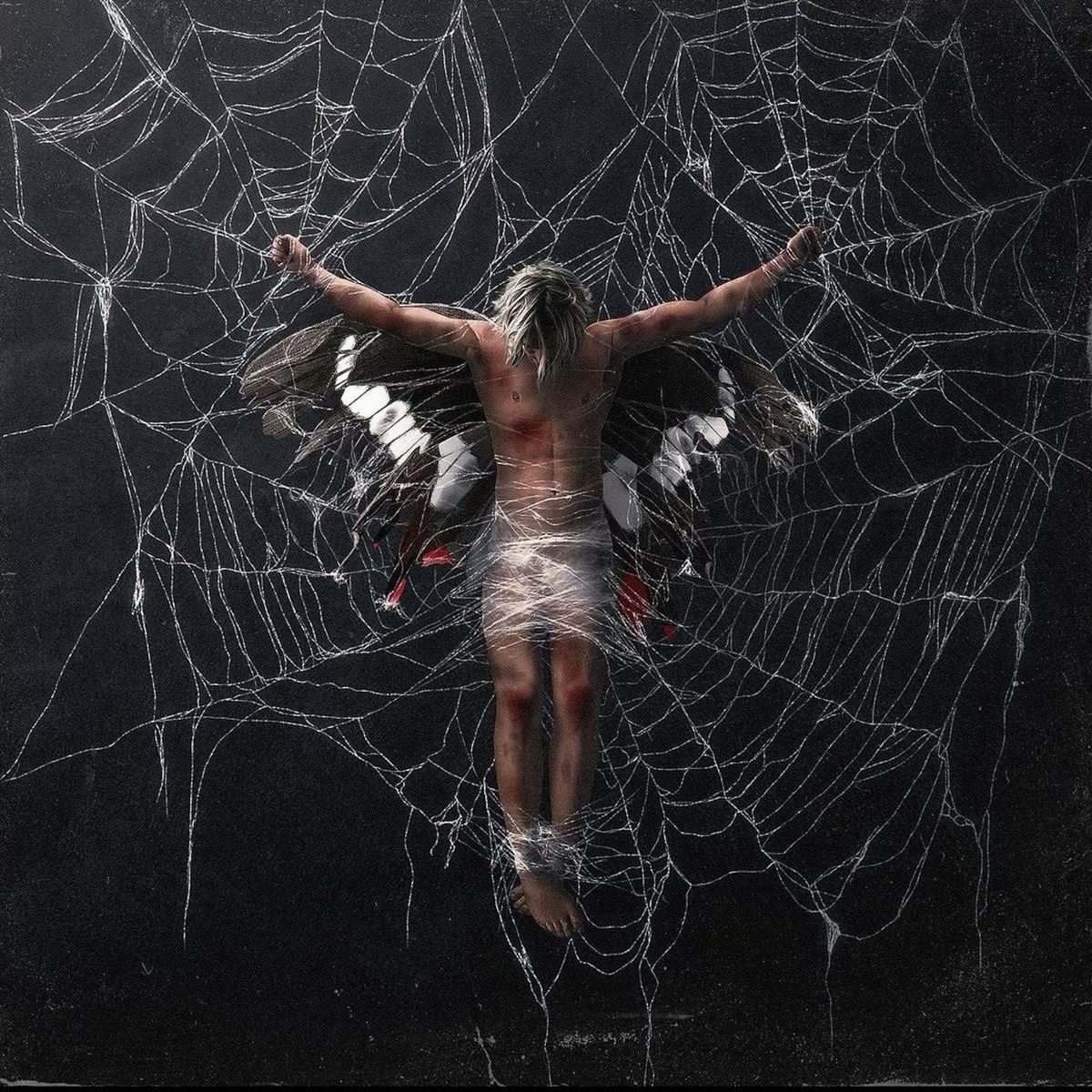
Art by Unknown
Attachment injury in males can often originate in the dynamic with a wounded or disconnected maternal figure. When the “matrical gaze” is absent, inconsistent, or tainted by the mother’s unresolved trauma, the male child becomes unconsciously enlisted as a soldier to serve the “dark feminine.” This archetype of the “dark feminine” arises from the mother’s unmet needs, resentment, betrayal, and unprocessed pain.
The male child is psychically burdened with the task of compensating for her emotional deficits, becoming an extension of her unmet desires rather than an autonomous being. This forms the psychological foundation for servitude to the maternal shadow, wherein the male is trapped in a lifelong struggle to meet the insatiable needs of the internalized maternal figure – toxic web of the Black Widow Spider, metaphorically speaking.
This role is not chosen but imposed, shaping the boy’s psyche to prioritize the mother’s emotional world at the cost of his own. The result is a loss of personal identity and boundaries, with the male internalizing his worth as conditional upon fulfilling the unspoken demands of the dark feminine within.
Compromised Neurobiological Processes In Utero in the Male Fetus
Research suggests that male fetuses are more vulnerable to environmental stressors in utero, particularly during critical periods of neurodevelopment. When the maternal environment is characterized by stress, trauma, or emotional instability, it can disrupt the male fetus’s developing neurobiological systems, including the hypothalamic-pituitary-adrenal (HPA) axis and the brain regions responsible for emotional regulation and attachment.
This disruption can leave male infants predisposed to:
• Heightened stress reactivity, making them more sensitive to emotional and relational stress.
• Underdeveloped emotional regulation, leading to difficulty processing and expressing emotions.
• Attachment insecurity, creating a foundation for enmeshment and codependency in later life.
This compromised neurobiological foundation predisposes the male child to reactive patterns in relationships and difficulty establishing a secure sense of self.
Males Struggling With Enmeshment: The Infernal Conflict Between Separation and Merging
As these males grow, the early attachment injury manifests as an unbearable inner conflict:
• The need for separation drives them to assert independence and autonomy.
• The desire for merging draws them back to the womb-like safety they experienced (or longed for) in their earliest moments.
This conflict is exacerbated by the codependent dynamic established in childhood. The boy becomes psychologically tethered to the mother’s unresolved needs, creating enmeshment that blurs the boundaries between self and other.
When life becomes unbearable for the codependent male—when the demands of independence feel overwhelming and the longing for the womb’s safety intensifies—he may regress into behaviors that attempt to resolve this conflict. These behaviors include:
• Subconscious attempts to recreate the womb in relationships, leading to dependency, control, or escapism.
• A pervasive sense of inadequacy and fear of abandonment, often masked by overcompensation or withdrawal.
Two Types of Male: Externally Destructive vs. Internally Destructive
This developmental injury often results in two distinct archetypes of maladaptive male behavior:
Type A: The Externally Destructive Toxic Male
• These men externalize their unresolved conflict through aggression, control, and dominance.
• They seek to overpower others to compensate for their inner vulnerability and unmet needs.
• Traits: toxic masculinity, violent tendencies, hyper-competitiveness, and an inability to engage in emotional intimacy.
Type B: The Internally Destructive Male
• These men turn their pain inward, struggling with self-loathing, withdrawal, and self-sabotage – internal violence.
• They experience chronic feelings of inadequacy and may engage in behaviors that reinforce their sense of worthlessness.
• Traits: depression, addiction, passivity, and a profound fear of confrontation or independence.
Both types represent attempts to cope with the same underlying psychological injury: a fractured attachment template and the unresolved need for both connection and autonomy.
Leading to Toxic Patriarchy
When these unresolved attachment injuries become systemic, they form the foundation of toxic patriarchy. Both archetypes of wounded males play a role in perpetuating this system:
• Type A males, driven by external domination, create hierarchical structures rooted in power, control, and suppression.
• Type B males, consumed by internal chaos, fail to challenge these systems, instead retreating into passivity or codependency.
Toxic patriarchy becomes a societal manifestation of the wounded masculine, where emotional disconnection, fear of vulnerability, and the need for dominance override collaboration, empathy, and balance. It reflects the collective failure to address and heal the attachment injuries that perpetuate cycles of harm, both at the personal and societal levels.
A Path Forward: Breaking the Cycle
To break this cycle, there must be a conscious effort to address the root causes of male attachment injury:
• Creating spaces for men to confront their internalized enmeshment and unmet needs without judgment.
• Developing tools to support emotional regulation, secure attachment, and individuation.
• Encouraging the integration of the wounded feminine and masculine within, restoring balance and empathy.
This presentation attempts to unravel the “existential crisis” drawing from the unconventional view of the “existential mother” principle that may offer a new perspective on the historical conflict in men and women over power dynamics leading to rise of the patriarchy and radical feminism in defence of women’s equality in modern times.
Within our current affairs, we now have countless forms of activism against patriarchy and criticism of women – countless forms of content and methodologies analysing archetypology of masculine and feminine.
Equally, new age spirituality trends attempt to address our ancient conflict by immersing in men’s work or sisterhood circles, yet, there’s an enormous elephant in the room – that elephant is the phenomenon of the “Existential Mother” as the fundamental principle in human life, at the center of birth, death, and the formation of the human blueprint.
By recognizing and addressing these attachment wounds, both men and women can work toward dismantling the foundations of toxic patriarchy and building systems rooted in equality, emotional wholeness, and authentic connection.
“The first thing we must understand in life is our mother – understanding our mother is the first step to understanding ourselves.”
Invitation for Dialogue:
This is a work-in-progress hypothesis, one that will continue to evolve and expand over time. My hope is to inspire an open-minded discussion about the nature of attachment, and the transformative power of breaking old patterns.
Drop your thoughts, feedback, or questions in the comments. Let’s hold this space together and explore these ideas with curiosity, compassion, and the courage to reimagine what healing might look like.
Love and Courage
 Innereset